Contents
Overview
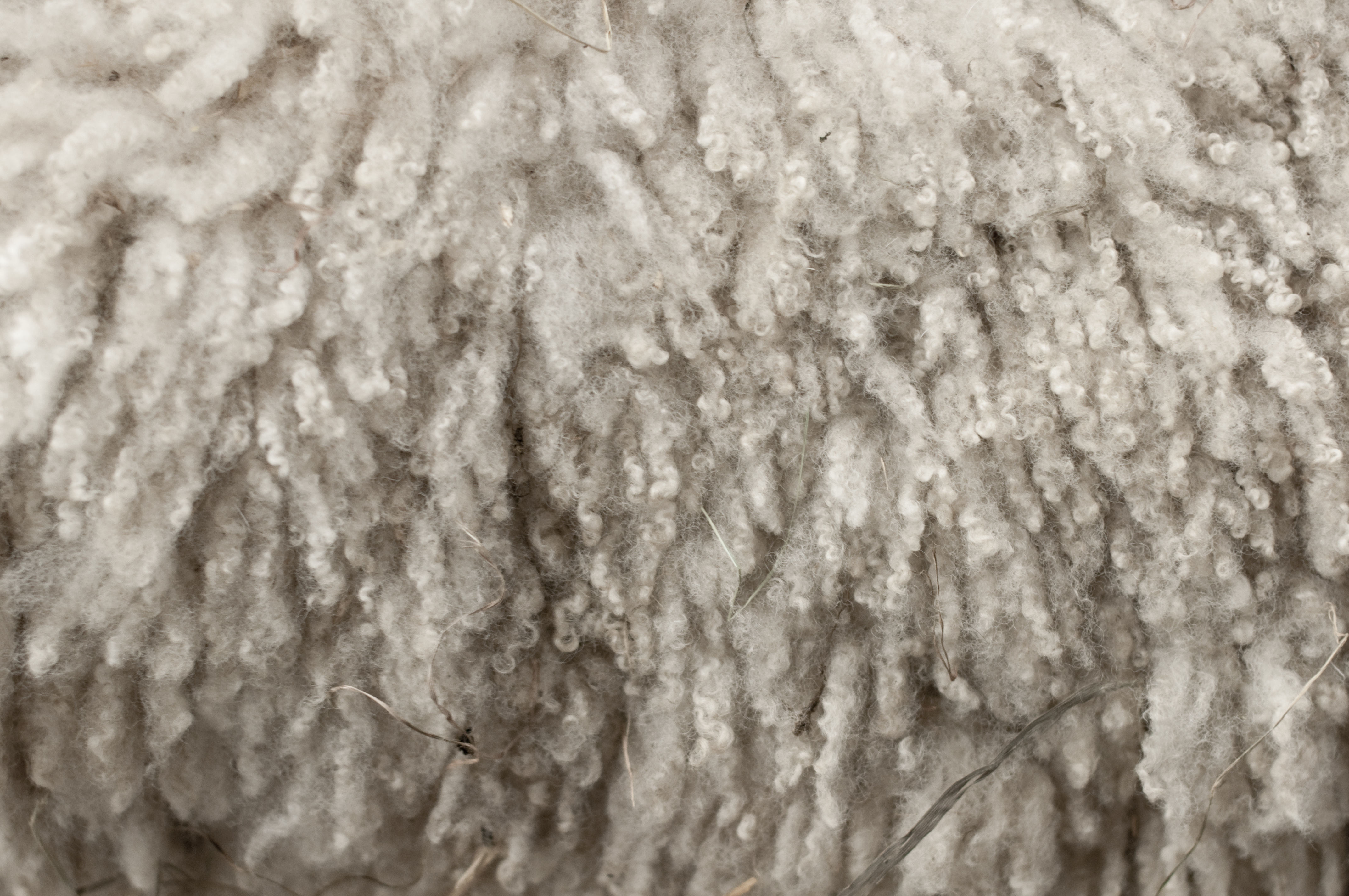
Merino sweaters are a type of clothing made from the finest merino wool, known for its exceptional warmth, breathability, and softness. Merino wool is a natural, renewable, and biodegradable material, making it a popular choice for environmentally conscious consumers. Merino sweaters are suitable for a wide range of activities, from hiking and skiing to everyday wear.
Origins & History
Merino sweaters have a rich history. Today, merino sweaters are made by a variety of brands, including Smartwool and United By Blue, using a range of manufacturing techniques, from traditional knitting to modern 3D printing.
How It Works
The production process of merino sweaters involves several stages, from shearing and sorting to spinning and knitting. Merino wool is known for its exceptional warmth, breathability, and softness, making it an ideal material for clothing. Merino wool has natural antimicrobial properties, which prevent the growth of bacteria and odor-causing microorganisms.
Key Facts & Numbers
Some key facts about merino sweaters include their temperature regulation properties and moisture-wicking ability. Merino wool is a natural, renewable, and biodegradable material, making it a popular choice for environmentally conscious consumers.
Key People & Organizations
Key people and organizations in the merino sweater industry include John Smith, a renowned textile expert, and The Merino Wool Marketing Board, a trade organization that promotes the use of merino wool in clothing. Other notable brands include The North Face and Columbia Sportswear, which offer a wide range of merino wool products.
Cultural Impact & Influence
Merino sweaters have had a significant cultural impact, with many people wearing them as a statement of their outdoor lifestyle or environmental values. The rise of the outdoor industry has led to an increase in demand for merino wool clothing. Merino sweaters have been featured in various fashion magazines, such as Vogue and Elle, highlighting their style and versatility.
Current State & Latest Developments
The current state of the merino sweater industry is characterized by a growing demand for sustainable and high-performance clothing. Many brands are now offering merino wool products, and some are implementing sustainable farming practices to address environmental concerns. Some brands are exploring alternative production methods, such as regenerative farming.
Controversies & Debates
Some controversies surrounding merino sweaters include the environmental impact of sheep farming and the treatment of sheep in the wool industry. However, many brands are now taking steps to address these issues, such as ensuring that their wool is sourced from farms that treat their sheep humanely. PETA has been working with brands to promote animal-friendly practices in the wool industry.
Future Outlook & Predictions
The future outlook for merino sweaters is positive, with many consumers seeking sustainable and high-performance clothing. Merino sweaters are a popular choice for athletes due to their excellent temperature regulation and moisture-wicking properties.
Practical Applications
Merino sweaters have a wide range of practical applications, from outdoor activities such as hiking and skiing to everyday wear. They are also a popular choice for travelers, as they are lightweight and breathable.
Key Facts
- Year
- 2023
- Origin
- Australia and New Zealand
- Category
- sweaters
- Type
- product
Frequently Asked Questions
What is merino wool?
Merino wool is a type of wool obtained from merino sheep, known for its exceptional warmth, breathability, and softness. It is a natural, renewable, and biodegradable material, making it a popular choice for environmentally conscious consumers.
What are the benefits of merino sweaters?
Merino sweaters have several benefits, including temperature regulation, moisture-wicking, and odor resistance. They are also a natural, renewable, and biodegradable material, making them a popular choice for environmentally conscious consumers.